The Boats, Tackle & Gear
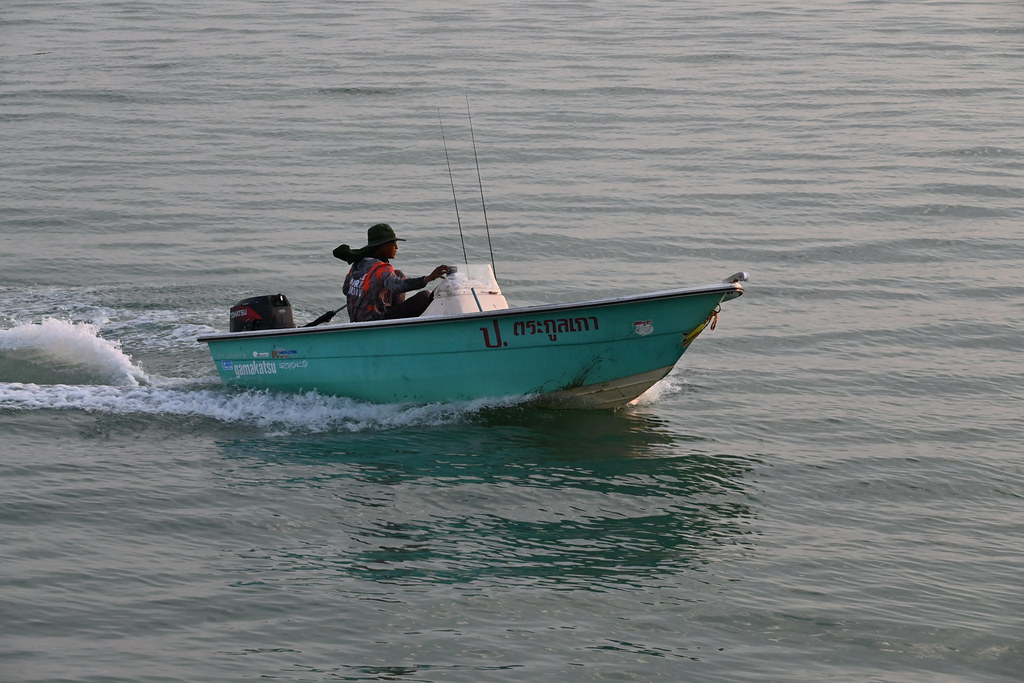
A good day on Southwest Florida's water starts long before the first cast. It starts with the boat under your feet and the rods in your hands. Here is a closer look at the two skiffs and the tackle that come with every trip, and why each piece was chosen.
Two Boats, Two Kinds of Day
Fort Myers sits beside some of the most varied fishing water in Florida. Shallow grass flats, mangrove shorelines, oyster bars, winding creeks and open Gulf passes are all within reach. No single hull does every job well, so the charter runs two boats, each built for a different kind of outing.
The smaller boat is the Hells Bay Marquesa. The larger is a 23-foot Dorado. Which one you fish from depends mostly on how many people are coming and how far you want to travel. The right choice is usually obvious once you know your group size and the kind of fishing you have in mind.
The Hells Bay Marquesa: Built for Skinny Water
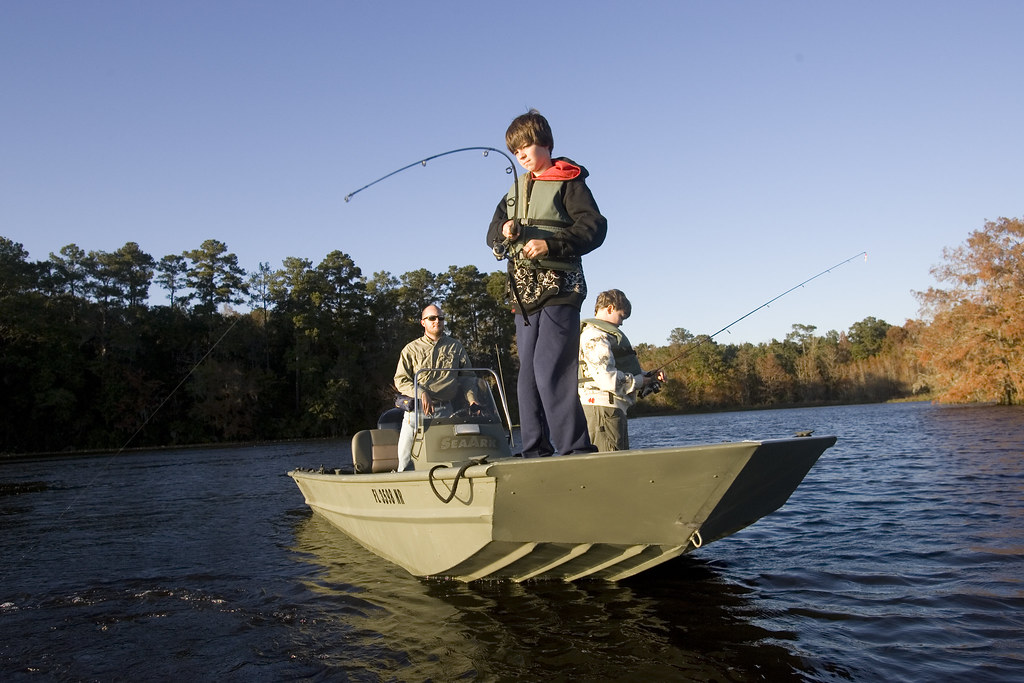
The captain calls this skiff "Ishmael." She measures just over 18 feet and drafts about seven inches. That is the key number. Seven inches of draft means she floats in water most boats would ground in, so you can reach flats, backcountry pockets and tight creek mouths where fish feel safe from traffic.
Hells Bay is a name known to flats anglers. Its skiffs are light and quiet, and they are built to be poled. They have a low, uncluttered deck that suits fly casting, because there is little for a line to snag on. The Marquesa carries you, one fishing buddy and the captain. That is a small, focused crew with room to move.
Why Two Anglers Is the Sweet Spot
- Each angler gets a clear casting lane from the bow and the center of the boat.
- The skiff stays light, which keeps its draft shallow and makes it easier to pole.
- The captain can give real attention to both people, whether that means coaching a fly cast or spotting fish.
- It stays quiet. On a flat, a skiff that slides along without banging or rocking can be the difference between a bite and spooked fish.
The 23' Dorado: Room to Roam
For bigger groups the Dorado is the answer. At 23 feet it carries you and up to five friends, and it is meant for trips that go past the protected back bay. A longer, heavier hull handles chop better, covers distance faster and gives everyone a comfortable place to stand or sit while the captain works the water.
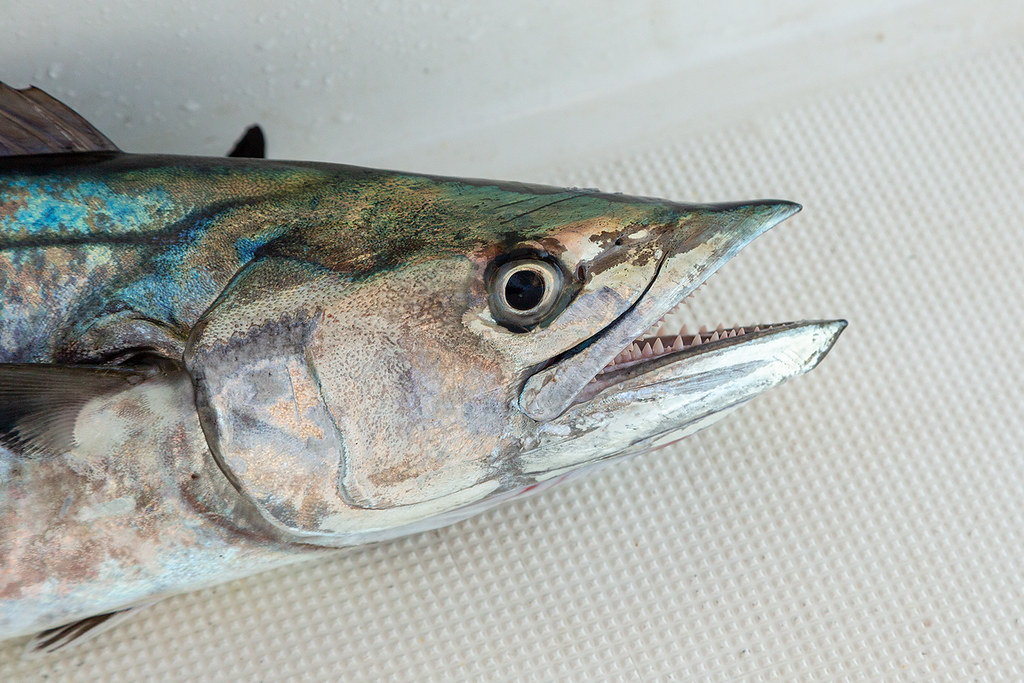
This is the boat for family outings, friends' trips and mixed-experience groups. It also suits days when you want to run farther, whether to fish an open sound, a pass or nearshore water. If you are weighing options by location, the page on Fishing Charter Types & Locations explains how different areas suit different boats.
Seven inches of draft changes the map. Water that looks too skinny to fish is often where the fish are hiding.
Fly or Light Tackle: Covered Either Way
You are welcome to bring your own rods, and many anglers like to fish a favorite setup. But you do not need to. Everything required for a day on the water is provided, for both fly fishing and light tackle. That includes beginners who have never held a rod and experienced anglers who simply do not want to travel with gear.
Light tackle means spinning or casting rods with relatively thin line and modest lures or bait. It is the classic approach for redfish, snook and trout in the shallows. It gives you good casting accuracy and lets a fish put up a real fight. Fly fishing asks more of the angler but rewards patience, and the shallow, clear water around Fort Myers suits it well.
What Is in the Tackle Locker
The gear is quality equipment chosen to last in salt water. Here is what is on board and what each piece does.
- G. Loomis rods: Known for sensitivity and light weight. A light rod lets you feel a subtle pickup and makes a full day of casting much less tiring.
- Nautilus and Shimano reels: Nautilus is a respected name in fly reels, and Shimano is a staple of spinning and casting setups. Smooth drags matter when a fish makes a sudden run.
- Airflo fly lines: Fly lines are matched to conditions. A good line turns over cleanly and lands the fly softly, which matters on a quiet flat.
- Mustad Wish braid: Braided line has little stretch, so you feel bites and can set the hook firmly at a distance. It is also thin for its strength.
- Mustad hooks: Sharp, strong hooks are cheap insurance against lost fish.
- Yeti cooler: Keeps drinks cold and food fresh through a long, hot day in the sun.
- Stiffy push pole: The tool that makes shallow-water stalking possible. Poling moves the boat silently, with no engine noise to alert fish.
The Push Pole and the Art of Quiet
The push pole deserves a closer look because it explains much of how this style of fishing works. On a flat, the captain stands on a platform at the stern and pushes the skiff along the bottom. The engine stays off. Fish in very shallow water are easily spooked by noise and vibration, so a silent approach lets you get within casting range of fish that a motor would send flying.
Poling also lets the captain read the water slowly: tails breaking the surface, pushes of water, a flash of a fish turning. It is a patient method, and it is the reason a shallow-draft skiff like the Marquesa is so valuable.
Planning Your Day
Choosing between the boats comes down to a few simple questions. How many people are coming? Do you want to stalk shallow water or cover distance? Are you fishing fly, light tackle or a mix? With two anglers who want skinny-water action, the Marquesa is hard to beat. With a group of up to six, the Dorado is the natural pick.
Since the tackle is supplied, you can pack light. Check What to Bring for sun protection, clothing and personal items. For costs, see Rates. If the water is calling you beyond fishing, Other Adventures has more ideas. When you are ready, you can reach out through Book an Adventure and talk through which boat fits your plans.