Fishing in Cape Coral
Fishing in Cape Coral
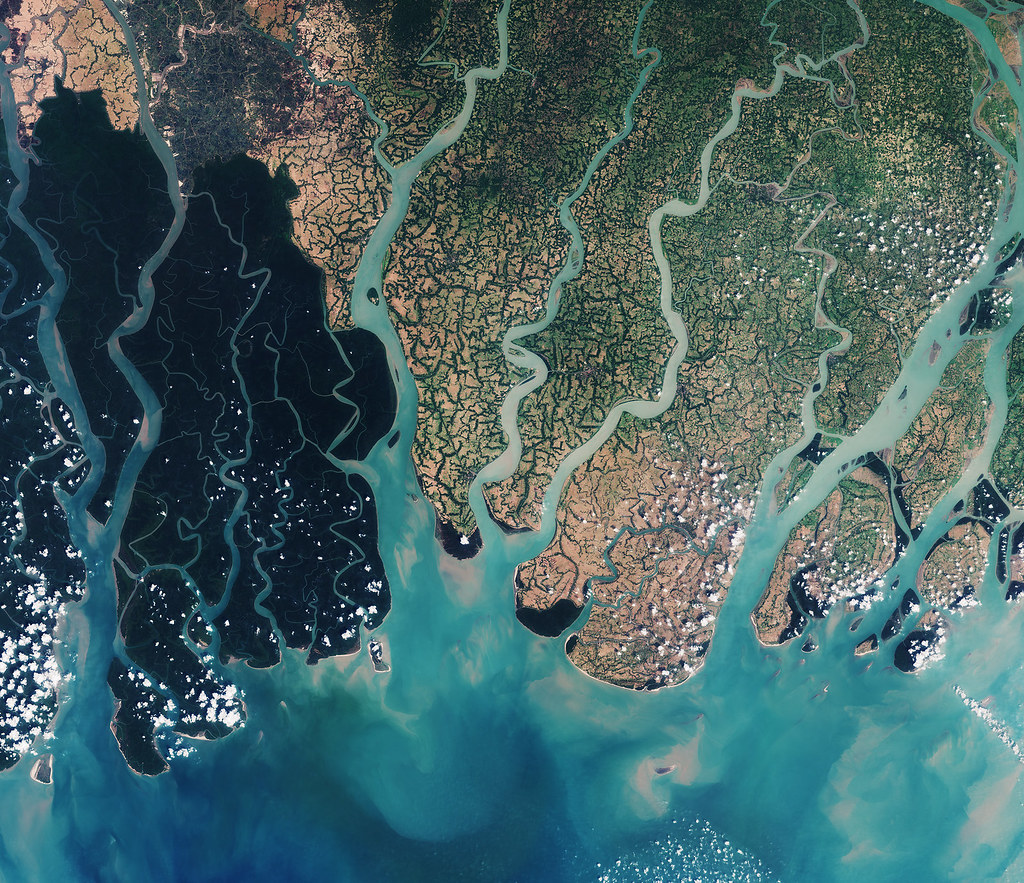
If you follow the vast Pine Palmetto flat woods South of Peace river, along the shores of Charlotte Harbor you will find the city known as Cape Coral (a penninusla of sorts), a brain child of the Rosen brothers in the early fifties this impressively large model town was created with influences of Venice, Italy. Miles of manmade canal systems are cut through the dense limestone bedrock that lines our earth. Extensive residential canals boast freshwater and saltwater quarry.
Just as earlier developers used the beautiful images of natural landscape and bountiful fisheries Cape Coral is just as productive today! With the entirety of its southern boarder being defined by river bank and the western shores of Matlacha pass and Charlotte Harbor this is one city with extensive fishing possibilities. Having resided here for some of my life, I can personally attest to the diversity and legitimateness of its natural resources. You will find below in our seasonal descriptions both fresh and saltwater options within proximity of city boundaries that provide for many angling backgrounds and interests!
From the first cold front of December through February, hen the first blue bird high pressure days along with cool air encroach our slice of heaven two main fishery targets arise. Cooler water temperatures and increased clarity as the tanins in the saltwater improve, sight fishing redfish and large speckled sea trout along the walls of Charlotte Harbor and Matlacha are accessed from two primary areas within the city.
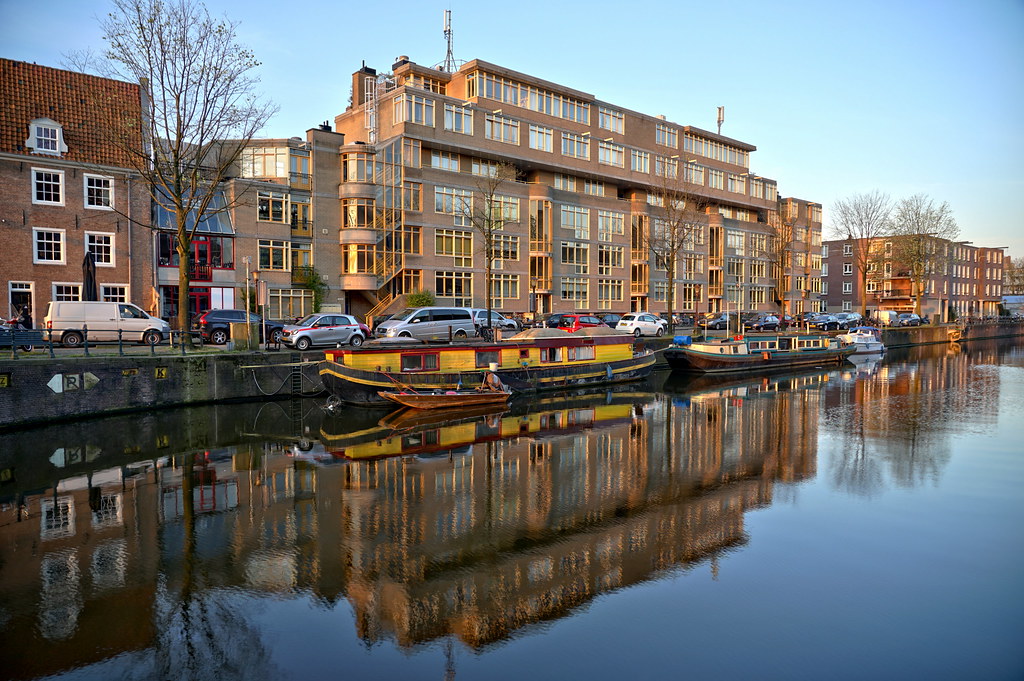
The first is Matlacha, in which you will find a thorough description and possibilities under the “Fishing” tab, in the navigation above. And secondly the Caloosahatchee river that is the life blood for our area. This river delivers the life blood and nutrients of inland Florida, discharging the great Lake Okeechobee. It is along the shallow sandbars and riverbanks here that good redfishing can be had.
Weighted flies and lures that mimic prey from the bottom that borough and scavenge the river bed are prime targets for hungry gamefish! Winter on the freshwater side is a great time of year to target large Florida strain largemouth bass that inhabit the freshwater canals and lakes of the region. History proves year after year that the cold winter produces some of the largest specimens of the year. Anglers often find success using Texas rigged soft plastic worms and jigs or live shiners.
April showers bring May flowers is a lovely term my grandmother used to tell me and I believe it to apply towards spring (March-May) fishing as well! On the lead up to the scarce but welcomed spring showers we have the most impressive clarity in our waters both fresh and salt from the lack of rainfall.
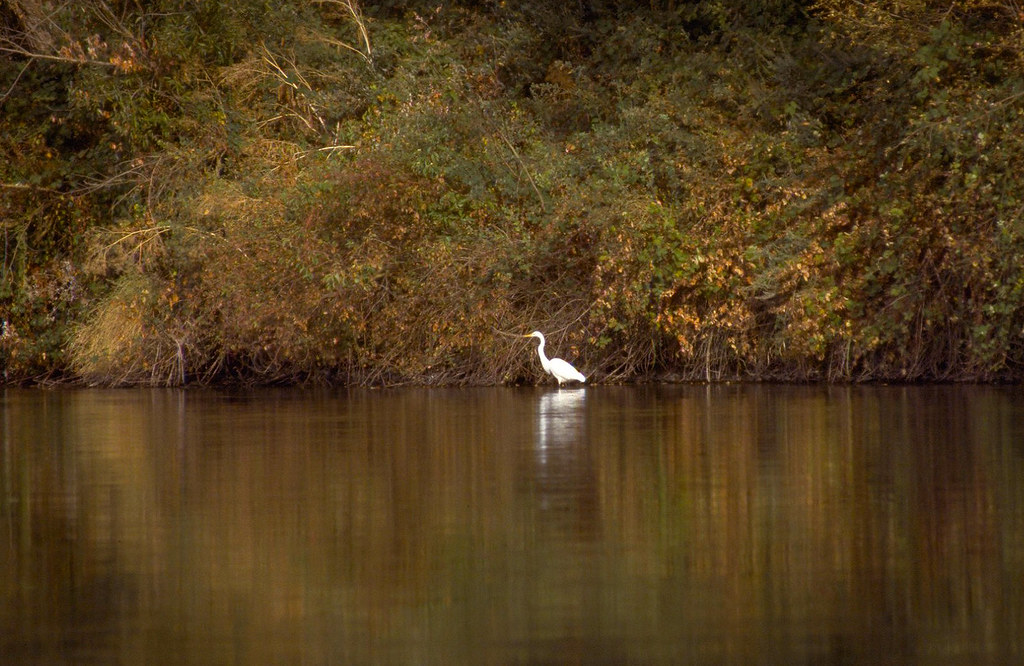
The first warm ups of the year will have large speckled trout feeding ferociously on small fry bait (newly hatched baitfish that are tiny). Redfishing and snook fishing a few days past a cool front will yield good numbers of fish that are coming out to sun themselves from their winter haunts as they look for easy meals to regain their energy stores.
Usually in this time period we have the arrival of large flocks of sulfur butterflies that we see flying over the water which is a native tell tale that the tarpon have arrived. Tarpon will school in certain areas within reach of cape coral in pods that begin to feed heavily and prepare for their incredible spawning journey.
Spring in south Florida is the time of year that bass begin to spawn. This is true for largemouth bass and can result in some incredible good bites both from flipping jigs and or swim baits. Peacock bass are found in small ranges in the city and being a tropical species react well to the spring warm ups yielding great sight fishing opportunities during this clear water season.
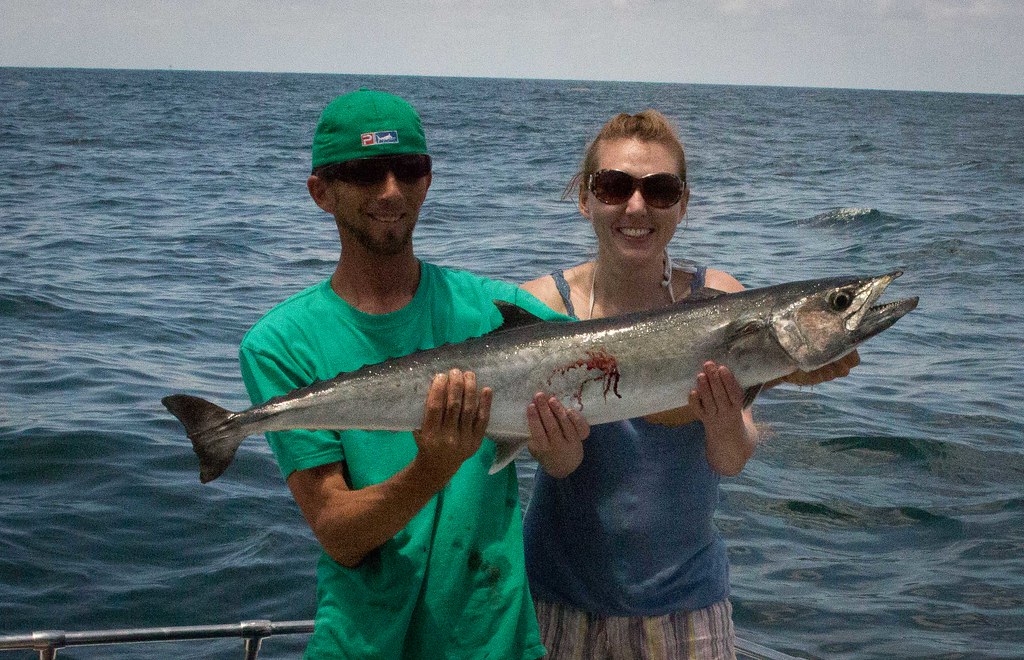
In the warmest season (June-September) that our beautiful area encounters, anglers will find every aspect of fishing to be at its highest vitality as fish are cold blooded. The increased photo period during the day coupled with the immense amount of food items around at the time makes for a very exciting morning and early evening bite by both freshwater and saltwater predators.
With the increase in daily thunderstorms and rainfall creates a dark tannic color to fresh and salt water systems that creates the perfect “storm” to use attractant lures and flies. Loud pitch noises, wake baits and topwater create a super exciting time for species like snook, redfish and bass both largemouth and peacock.
Exciting areas to look for will be creek mouths and weirs that have heavy waterflow discharge heavy amounts of food items. I have personally witnessed large snook and tarpon engulfing freshwater species like American shad and exotic species like tilapia that are swept into a new environment that has hungry predators waiting on the other side! Another neat occurrence in the creek systems is the dispersion of shrimp that are flushed from the stagnant waters way inland in the creek systems. Tailing redfish is also a lovely event when appropriate tides are chosen. Tailing redfish is the captains favorite target for fly, lure and spin tackle fishing!
Around the time the kids are excited for trick or treating starts the most incredible season (October-first cold front of December) of the year from the immense amount of baitfish that have grown large all warm season are now concentrated and being attacked by almost all predators from air and sea.
This three month season is absolutely jam packed with great fishing on all fronts! The redfishing along the cape coral shorelines is phenomenal whether it be sight fishing or bait fishing, redfish are normally in large schools this time of year we affectionately call it the “pumpkin patch”. Snook are found in the same habitats that they will station themselves in while fattening up on before they make it to their winter retreats with deep water to withstand the colder temperatures. Tarpon are pursued on both fronts as well, the river will have the biggest grouping of fish at the given time, with evening and night time pursuits being most fruitful. It is at this time that the juvenile tarpon are the most mobile, they are found traveling long distances on the outside of the “backcountry”.
Fall freshwater fishing can be hot for bass, especially when mimicking American shad and bluegill imitations while prospecting drop offs and contours found in the extensive canal systems. Most of the lakes in cape coral are relatively shallow, but in some areas the bedrock has been removed and “spring holes” where freshwater is coming up from the aquifer will help maintain temperature and good hunting grounds. Peacock bass feed ferociously on topwater lures and popper flies.
The city of Cape Coral is uniquely set in prime real estate with its close proximity to the Gulf of Mexico and sharing the long coastline of the Caloosahatchee river. 30 minutes to RSW airport and 20 minutes from Punta Gorda airport makes this a prime hub to have a diverse fishing experience!
{"html": "Planning Your Day on the Water
Because Cape Coral touches so many different kinds of water, the first question I ask any angler is what they want to catch and what the weather has been doing. A canal that fishes poorly on a windy afternoon can be wonderful at first light, and the harbor shoreline that is unfishable in a strong northwest wind may be glassy a mile or two away in a protected canal. Flexibility is the real secret to fishing here.
Tide matters just as much as season. Moving water pushes bait out of the canals, off the grass flats and around the mouths of creeks, and the predators know exactly when to line up. Moving tides, either incoming or outgoing, almost always beat the slack water at the top and bottom of the cycle.
Fishing the Canal Systems
The miles of cut canals are one of the most overlooked fisheries in the region. The limestone walls, docks, seawalls, boat lifts and the shade they cast give snook, redfish, mangrove snapper and juvenile tarpon places to hide and ambush food. In the freshwater canals the same structure holds bass and, in certain pockets, peacock bass.
- Docks and shade lines: cast tight to the pilings and let a lure or fly sink naturally.
- Canal intersections: where two canals meet, current and bait funnel together.
- Culverts and weirs: the places where fresh and brackish water mix often hold fish after rain.
Respect the neighborhoods you fish beside. Keep noise down early in the morning, stay off private docks, and take your trash with you. Good manners keep these canals open to everyone.
Gear and Presentation Tips
Light spinning tackle with a fluorocarbon leader covers most situations in the clear water of winter and spring. In the stained water of summer you can step up in leader size and lean on noisy, flashy baits that fish can find by sound and vibration. Fly anglers should bring both a floating line for topwater and a sink-tip or intermediate line for working the river bottom.
Whatever the season, match the bait to what is actually present. If you see small glass minnows flicking at the surface, tie on something small and sparse. If mullet are running along the shoreline, go bigger. Paying attention to the water is the habit that separates a good day from a slow one.
Explore the Neighboring Waters
Cape Coral makes a great home base, but the surrounding area is worth exploring too. If you want more of the pass and backcountry fishing described above, read about fishing in Matlacha or the islands at Pine Island and Bokeelia. For the river and city waters to the east, see fishing in Fort Myers, and for beaches and barrier island flats head to Sanibel and Captiva.
"}